DevJobs.lk.
Built around
better hiring.
DevJobs.lk brings job discovery, recruitment workflows and AI assistance into one platform for Sri Lanka’s technology community.
From the first application to the next conversation. A more connected hiring experience.
Explore DevJobsHistorical figures from the original case study. The verified-user milestone is reported separately from the supplied dashboard snapshot; the figures do not all represent the same reporting period.
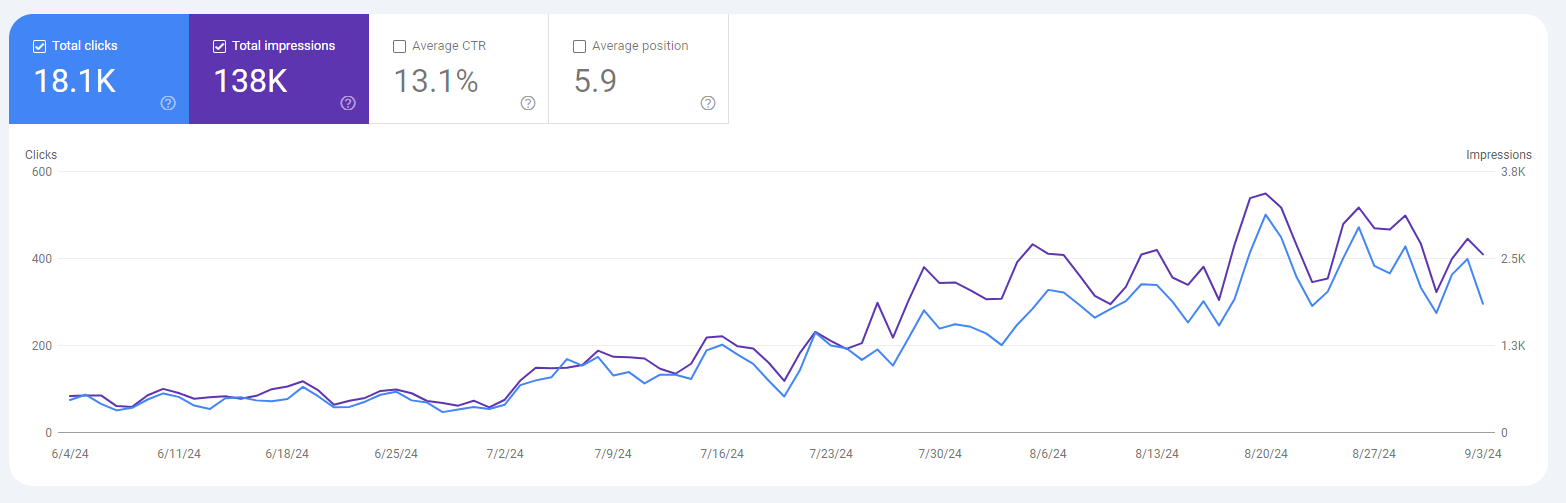
5.9 average search positionMore than
a place to post.
Publishing a vacancy is only the beginning. Recruiters still need to review applications, coordinate interviews and understand which parts of the hiring process are working.
DevJobs.lk was designed and developed from the ground up to connect those tasks. The brief combined a public job marketplace with the workflows, permissions and insights hiring teams need behind the scenes.
Keep roles, candidates and recruitment stages inside one product.
Help teams review information and prepare their next action.
Make public job pages findable, readable and fast.
Define the role.
Create a vacancy and explain the requirements clearly.
Find the fit.
Review applications with profile summaries and match signals.
Move it forward.
Coordinate interviews, questions and team notes.
See what works.
Use hiring and source analytics to inform the next role.
Less repetitive work.
More useful context.
AI assistance is placed inside the recruiting workflow, where a summary, suggestion or clearer starting point can help.
Candidate
scoring
Surfaces skills, experience and job-criteria signals to support a recruiter’s review of applicants.
Recruiter
inbox
Brings profile summaries, strengths and points to review into a more concise view.
Job description
helper
Helps create clear role descriptions that communicate the position and its requirements.
Interview prep
& notes
Suggested questions and structured notes support more consistent interview preparation.
These features support recruiter judgement. Hiring decisions remain with the people reviewing the candidates.
The experience
starts with
the foundations.
Web application, AI services and background processing. Staging, quality gates and release checklists support delivery.
The architecture needed to serve two different experiences: a public platform for job seekers and a working system for recruiters.
Model the hiring workflow.
A connected data model for companies, roles, applications and pipelines supports the core product. Events and notifications keep the relevant people informed as work moves forward.
Make public pages discoverable.
Descriptive URLs, job and organisation structured data, and performance-conscious page patterns support organic search. The content structure can expand around relevant topics and locations.
Give teams information they can act on.
Hiring dashboards bring source quality, time to shortlist and application-to-interview conversion into view. The aim is to connect activity with decisions about the recruiting process.
Build access control into the system.
Authentication, role-based permissions and audit trails support team workflows and controlled access to candidate information. These are part of the product architecture from the outset.
Real usage.
Visible search traction.
Original reporting images show organic discovery and activity inside the platform. Each snapshot is presented with its own context.
Activity on the website
11K active users · 22K sessions
Google Analytics · “Last 90 days” selected
View the original Analytics snapshot
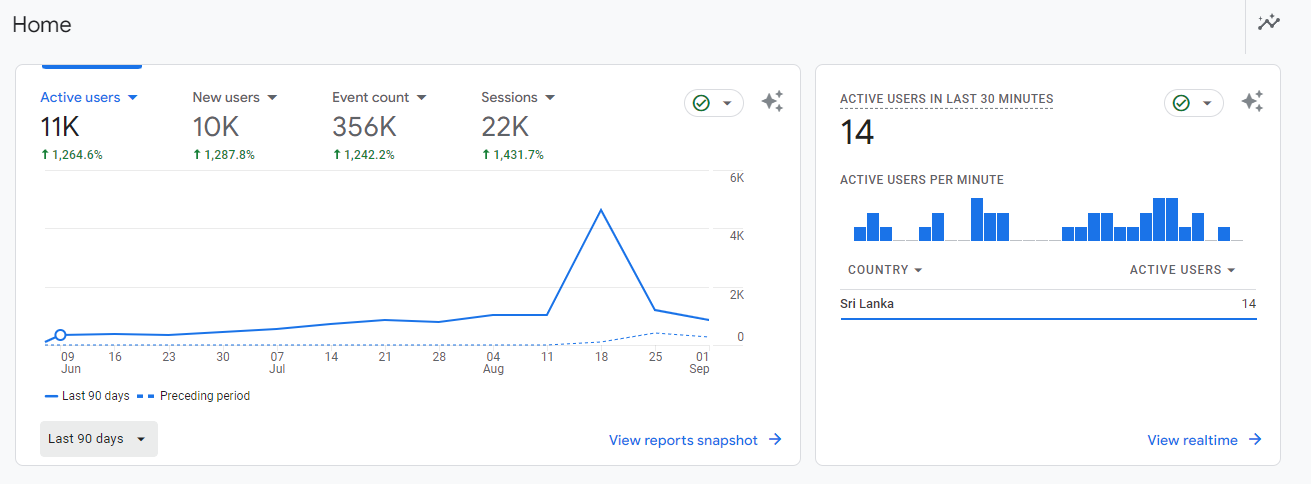
The screenshot does not show a year or exact capture date. Analytics active users are distinct from verified platform accounts.
Applications inside the platform
11,802 applications
2,114 verified users in the supplied dashboard
View the original platform snapshot
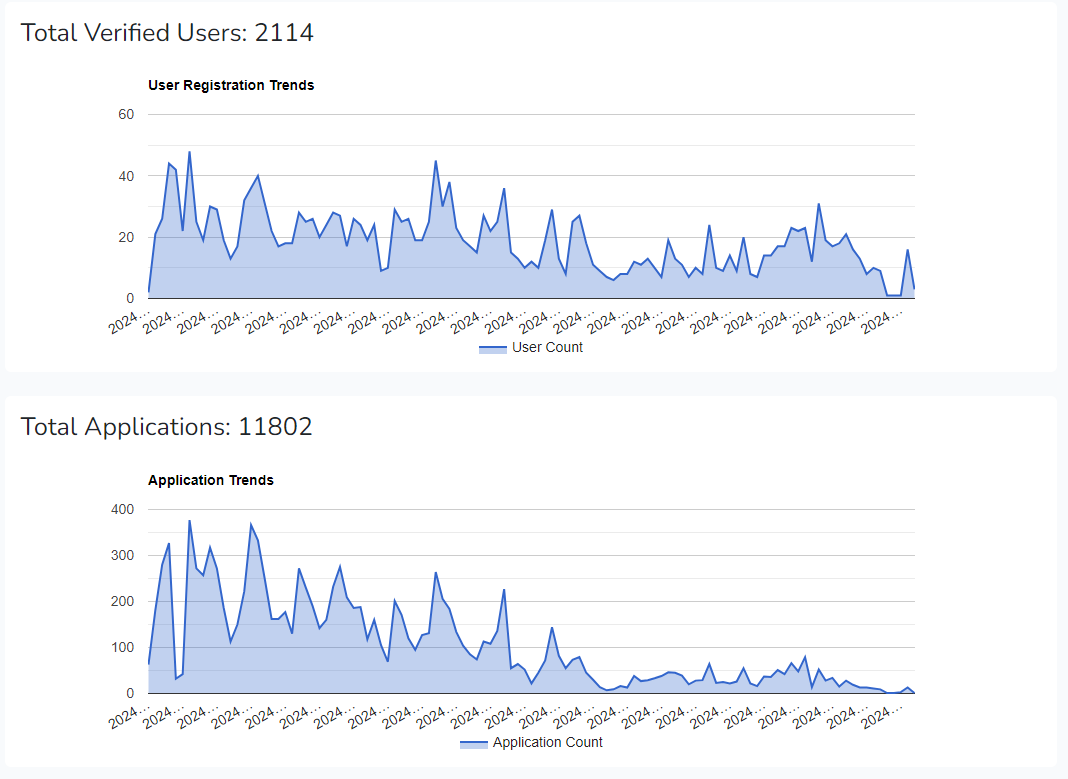
The page also reports a 4,500+ verified-user milestone. That total is not shown in this dashboard image; the capture date for the milestone was not supplied.
Read the search metrics as a table
| Metric | Reported result | Meaning |
|---|---|---|
| Total clicks | 18.1K | Clicks from Google Search to the website; not unique visitors or completed applications.|
| Total impressions | 138K | Appearances in Google Search results.|
| Average CTR | 13.1% | The share of search impressions that resulted in a click.|
| Average position | 5.9 | An aggregate search position across the report.
The snapshots establish recorded platform activity and search performance. They do not quantify hiring-cost savings, time saved or the independent effect of the AI features.
Build the workflow.
Then connect the pieces.
DevJobs brings product design, full-stack engineering, AI integration and organic discovery into the same build.
A job listing brings someone in. A useful workflow gives them a reason to keep using the product.
That is the thinking I bring to platform work: understand what people need to do, make those tasks fit together and build a foundation the product can grow on.
“The team delivered a clean product, measurable growth, and AI that saves our recruiters hours every cycle.”
A few useful
starting points.
Can this approach be adapted to another industry?
Yes. The starting point is your workflow: who uses the platform, what decisions they make and what information they need. The architecture and features can then be scoped around those requirements.
Can AI assistance reflect our hiring criteria?
The criteria and review workflow can be scoped to your roles and requirements. Recruiters should be able to review the supporting information and make the final judgement; the design should make that responsibility clear.
What was the core technology stack?
The web application uses Laravel and Vue, with Node services for AI and background processing. The original project description also included staging, CI quality gates and release checklists.
How long would a first version take?
The timeline depends on the workflow, integrations and scope. We can begin with a focused working slice, then agree on a delivery plan before committing to a full platform.
Do the search figures represent current traffic?
No. They come from the historical Search Console image shown above, with visible date labels from June to September 2024. They demonstrate recorded performance during that period, not a forecast or guarantee for another product.